
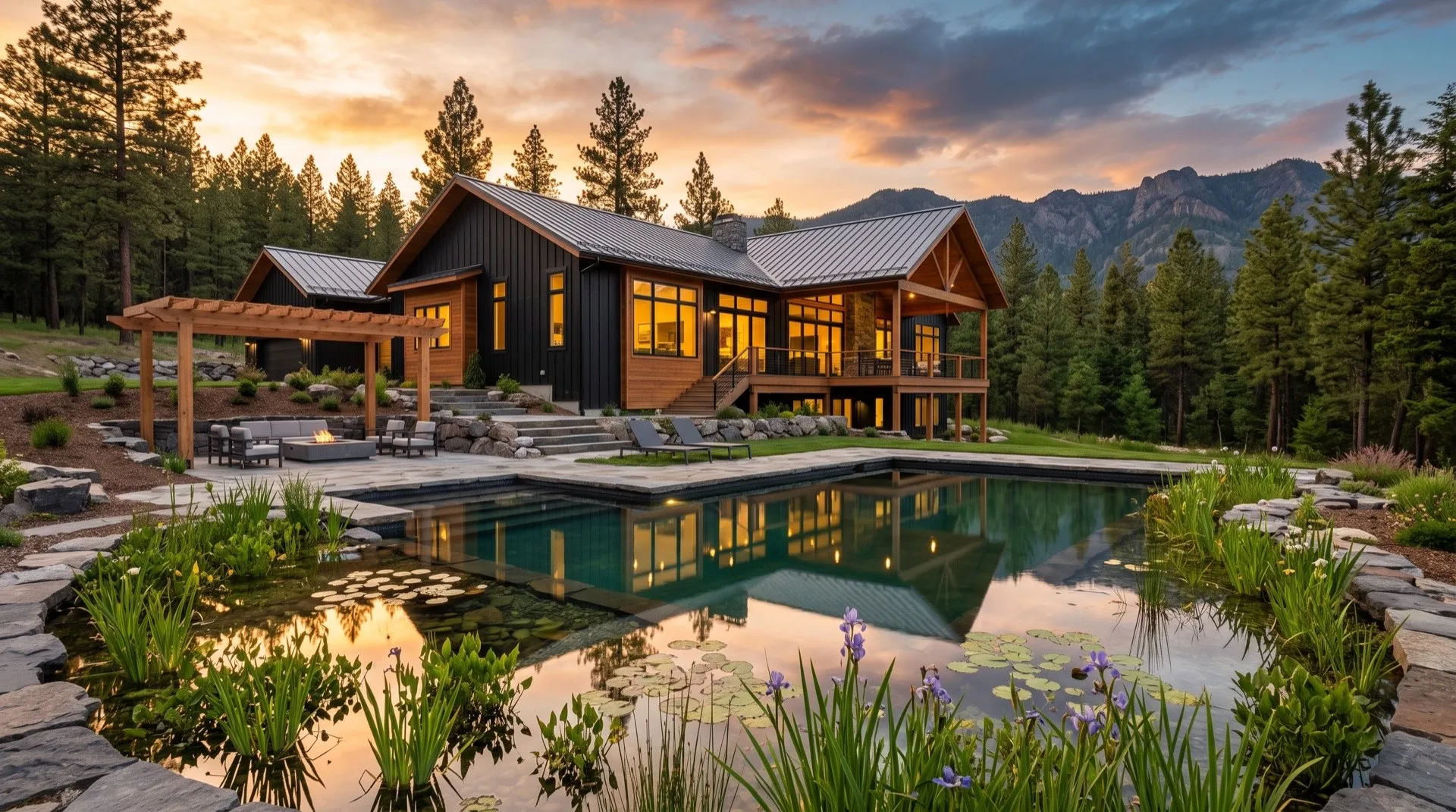
Organic Pools
Bespoke designs natural, chemical-free swimming pools in Coeur d'Alene and North Idaho, using plants and biological filtration instead of chlorine, built to handle real winters.
Concept imagery, AI-generated design study.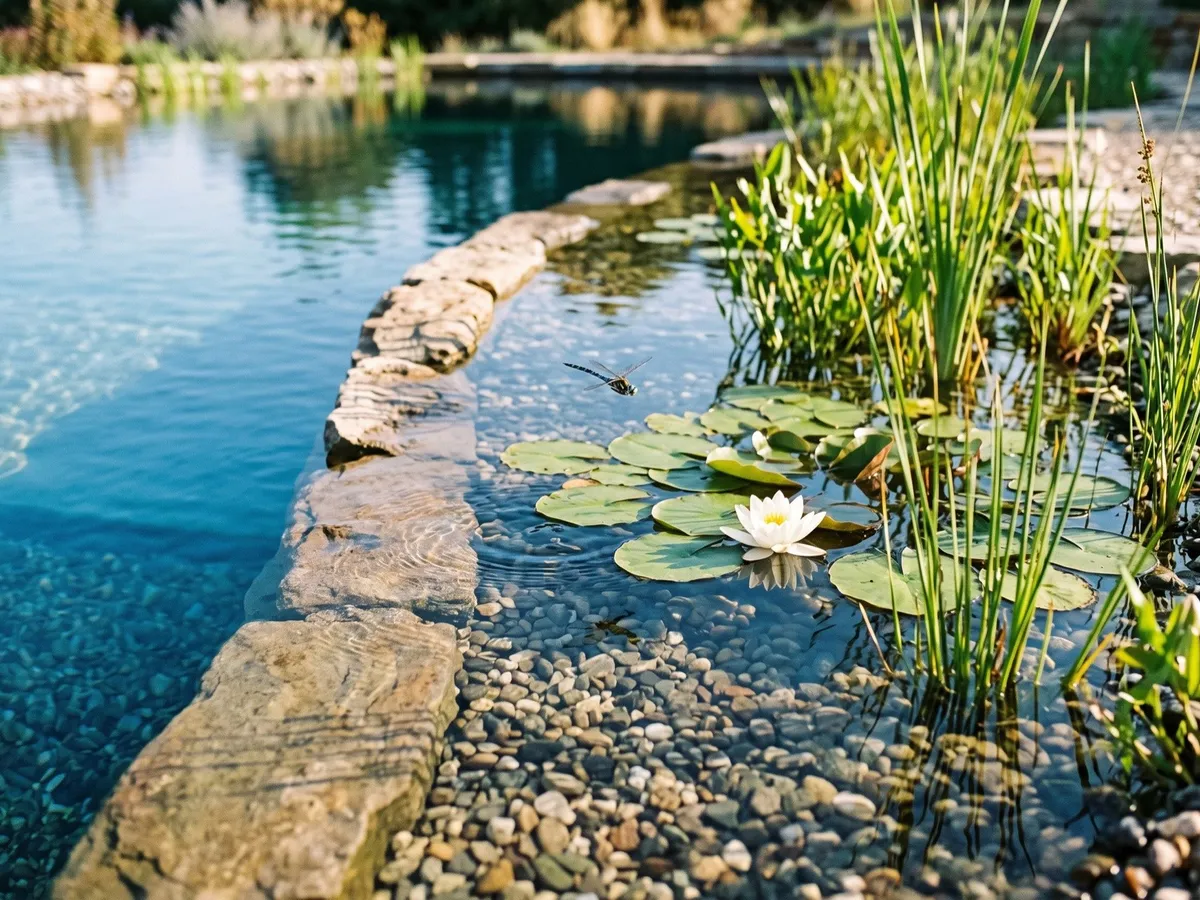
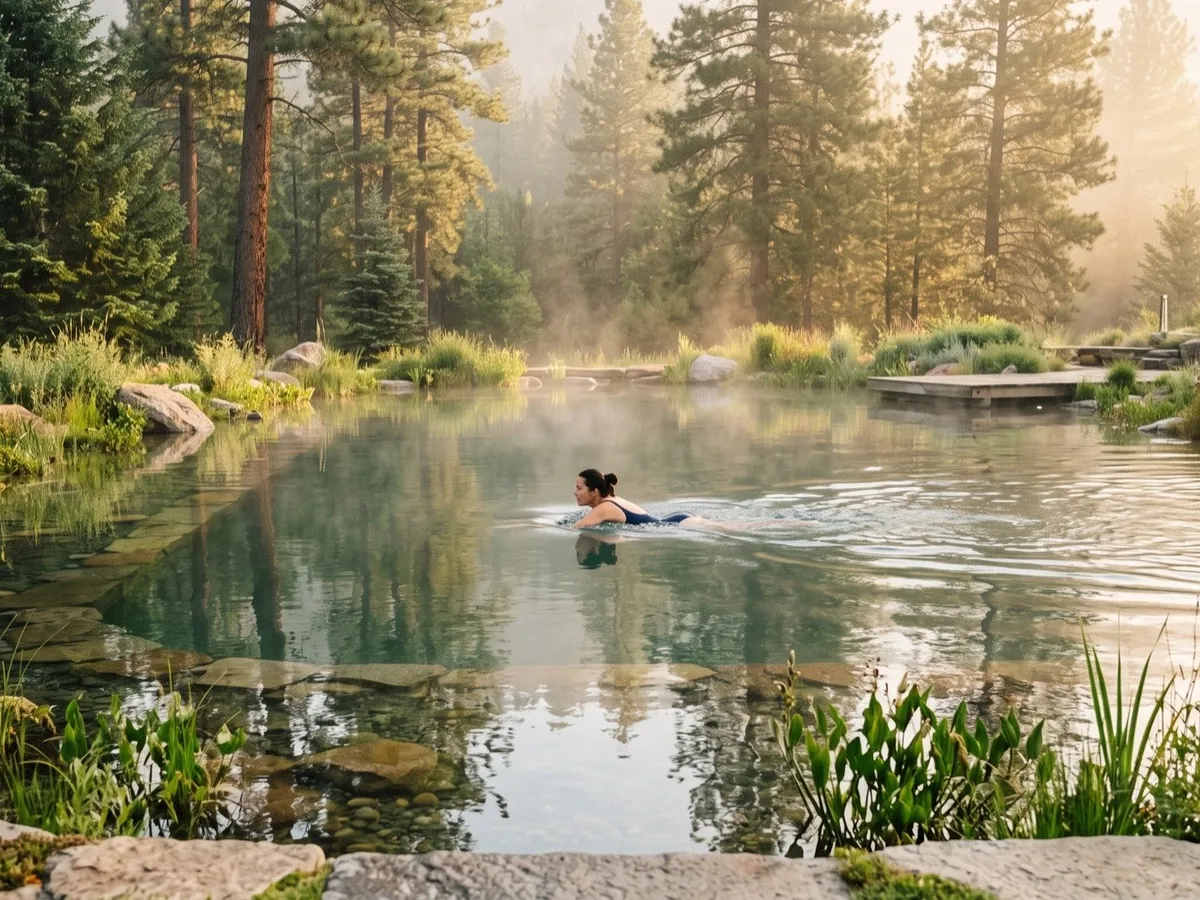
Two-zone design: a clear swim zone and a planted regeneration zone that filters the water
No added chlorine or chemicals; the system is filtered biologically, not chemically
Built for North Idaho winters: frost-line plumbing, cold-hardy plants, deep-water zones
Conversion of existing chlorine pools into natural systems where the shell allows
Honest maintenance guidance, including that the system needs more attention in year one
A pool without the chemicals
A natural swimming pool, sometimes called an organic pool or swimming pond, replaces chlorine and chemical sanitation with a living biological filtration system: the same basic principle that keeps a healthy pond or lake clear, engineered and concentrated to backyard scale. No chemicals are added. The water is kept clean by aquatic plants and beneficial bacteria instead.
Bespoke is building this as a dedicated service line because it’s a genuine gap in this market. Nobody else in North Idaho’s builder landscape names natural or organic pools as a service, and the one identified regional competitor doing anything similar (Paradise Pools NW, based in Spokane) is outside the immediate Silver Valley and Coeur d’Alene market. This is early, honest ground floor for us, not an established, proven-out product line yet.
How it actually works
A natural pool has two connected zones. The swim zone is the open water you’d recognize from any pool. The regeneration zone, sometimes called the planted or biotope zone, is a shallow, gravel-and-plant-filled area, separated visually or by a submerged wall, planted with aquatic species like reeds, rushes, and water lilies. Plant roots and the gravel around them absorb the nutrients (from skin, sunscreen, and debris) that would otherwise feed algae, while beneficial bacteria on the roots and gravel break down organic waste. A low-energy pump keeps water circulating continuously between the two zones, and a skimmer removes surface debris before it can decompose and add nutrients back into the system.
The general sizing rule: the regeneration zone should run roughly 50 to 60 percent of the swim zone’s surface area to keep the system self-balancing. Smaller pools are less forgiving biologically, since a smaller water volume heats and cools faster and has less buffering capacity.
Built for a real North Idaho winter
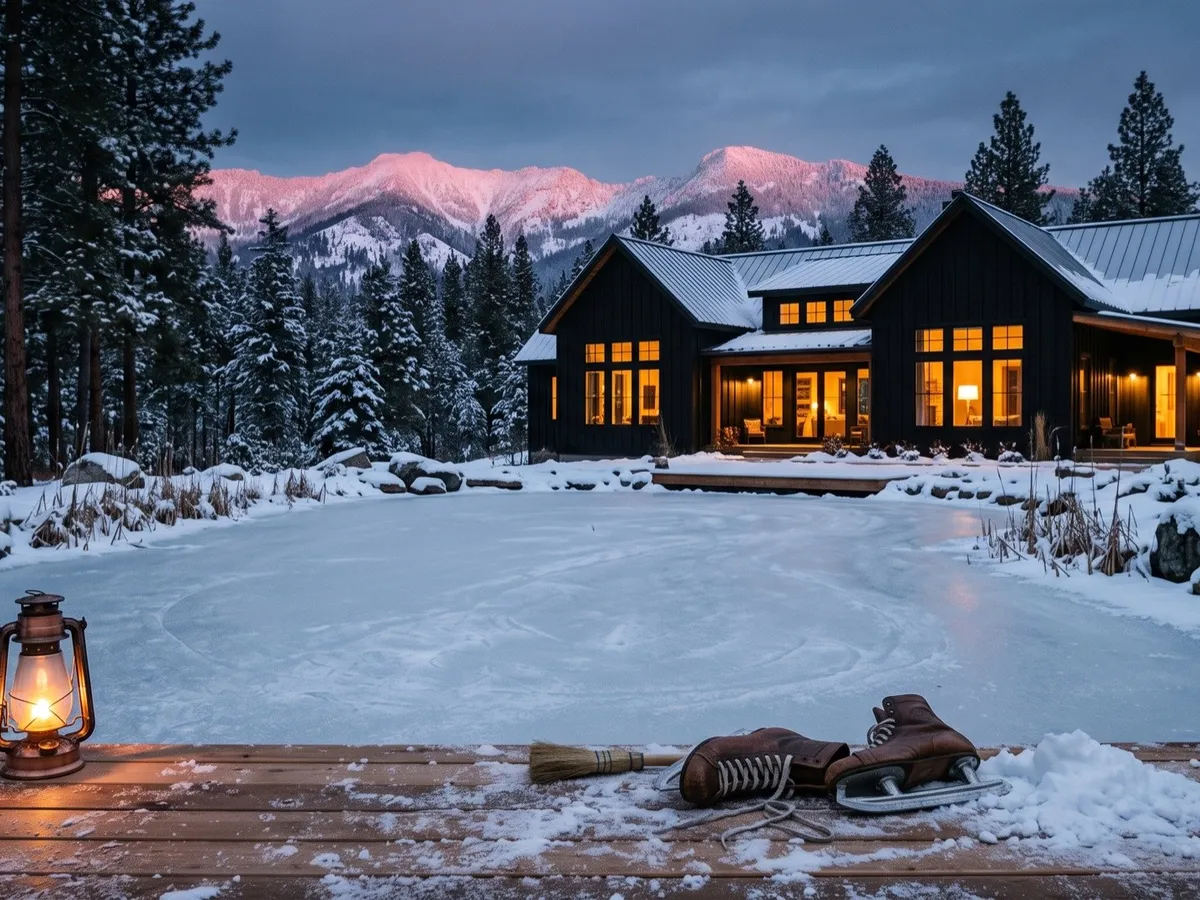
Cold climate performance is genuinely well documented for this category and directly relevant here. Cold-hardy native aquatic plants die back and regrow each year without issue. Plumbing gets installed below the local frost line, the same requirement as any other outdoor plumbing in this region. Adequate water depth in at least part of the pool prevents a full freeze-through, protecting plant roots and the bacterial ecosystem through winter. In hard freezes, the pool can behave like a natural pond and freeze over, and some owners use that directly as a winter ice-skating feature: one built structure serving two seasons of the year. Deepest winter maintenance may still involve draining lines and pulling the pump for the coldest stretch, so it isn’t entirely hands-off even in winter.
An honest maintenance picture
We won’t tell you a natural pool is maintenance-free, because it isn’t, and that claim is what makes a lot of natural-pool marketing hard to trust. Real upkeep includes a daily visual check and skim, weekly wall brushing, monthly system and skimmer checks, periodic plant trimming during the growing season, and an annual fall cutback and sediment cleanout. The maintenance curve is real but favorable: it’s heaviest in year one or two while the plant and bacterial ecosystem establishes itself, then decreases as the system matures, which is the opposite trajectory of a chlorine pool that needs the same chemical routine every week indefinitely.
What you’re moving away from
Chlorine reacts with sweat, sunscreen, and body oils to form chloramines, the compounds responsible for the “pool smell” people associate with clean water, which is actually a byproduct of contamination, not cleanliness. Documented symptoms of chlorine and chloramine exposure include eye and skin irritation and respiratory irritation. A more contested claim, that chlorine exposure causes childhood asthma, is genuinely disputed in the research and we won’t state it as settled fact; the irritation evidence stands on its own without needing to reach for that. Annual chemical costs for a typical chlorine pool commonly run $300 to $1,200 or more, a cost a natural pool doesn’t carry.
Converting an existing pool
If you already have a chlorine pool with a sound shell and plumbing, conversion to a natural system is a real option, not just a new-build product. That typically means partitioning part of the existing pool to add a regeneration zone, if your lot has room, or installing an enclosed biological filter system that needs no visible planted area, a better fit for tighter yards.
Get started
If you’re interested in a chemical-free pool, whether new construction or converting an existing pool, reach out. We’ll talk through your site, your goals, and what’s realistic, including the honest maintenance picture, before you commit to a design.
Frequently asked
Is the water in a natural pool actually safe to swim in?
Yes. Water quality is maintained biologically, through plant nutrient uptake and beneficial bacteria, rather than chemically. It's a similar principle to a constructed wetland, engineered and scaled to a swimmable pool rather than left untreated. The water is continuously filtered and circulated, not stagnant.
Does a natural pool work in a North Idaho winter?
Yes, with the right design. Cold-hardy native aquatic plants, plumbing installed below the frost line, and adequate water depth to prevent a full freeze-through let natural pools operate through real winters. In a hard freeze, the pool can double as a private ice-skating feature, one build serving two seasons.
Will a natural pool turn green or get algae?
Some algae is a normal part of a living aquatic system and isn't a failure the way it is in a chlorine pool. A properly sized regeneration zone, generally 50 to 60 percent of the swim zone's surface area, keeps algae in check by starving it of nutrients. Undersized systems in hot, sunny spots are the main risk factor for a nuisance bloom.
Is a natural pool maintenance-free?
No, and we won't claim otherwise. A natural pool needs real, itemized upkeep: skimming, occasional plant trimming, and an annual sediment cleanout, heaviest in the first year or two while the ecosystem establishes. The honest advantage is that maintenance tends to decrease as the system matures, the opposite of a chlorine pool, which needs the same chemical routine indefinitely.
Can you convert an existing chlorine pool into a natural pool?
Often, yes, if the existing shell and plumbing are structurally sound. Conversion typically means partitioning part of the pool for a planted regeneration zone, or installing an enclosed biological filter system for tighter lots without room for a visible planted zone. We'll assess your existing pool to see which path fits.
How much does a natural pool cost?
Natural pool construction commonly runs comparable to a premium traditional pool once you factor in a traditional pool's filtration equipment, heating, and finishes, with project totals typically in a wide range depending on size and design. The honest tradeoff is a higher entry cost against a much lower lifetime cost, since there's no ongoing chemical budget. We'll scope a real number for your site.
Tell us about your project
Share a few details and a member of the Bespoke team will follow up to talk through your project, your site, and next steps.